




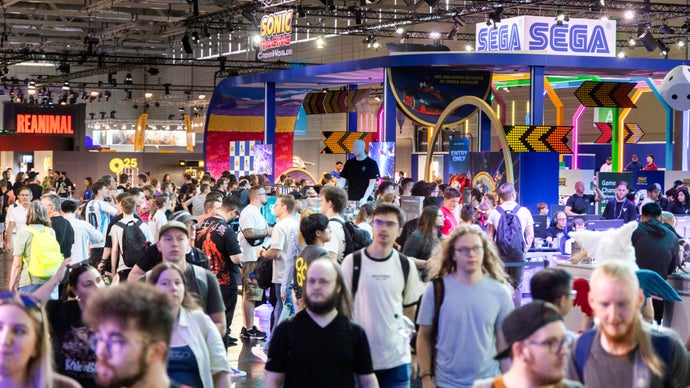
With Gamescom 2026 now less than a week away, organizers have announced that this year’s event will set a new record for international participation. The world’s largest gaming convention will host nearly 50 pavilions representing 40 different countries, marking a remarkable 25% increase in pavilions and a 14% rise in participating nations compared to the 2025 edition. This unprecedented growth signals the continued expansion of the global gaming industry and highlights Cologne’s position as the undisputed capital of interactive entertainment each August.
A Testament to Global Gaming Growth
The significant increase in country pavilions at Gamescom 2026 reflects the broader transformation of the gaming industry from a niche hobby into a mainstream entertainment powerhouse. The global video game market is now valued at over $200 billion, surpassing both the film and music industries combined. Countries that once viewed gaming as a peripheral cultural export are now investing heavily in establishing their presence at major international events. Nations from Southeast Asia, the Middle East, and South America have particularly ramped up their participation, recognizing the economic potential of showcasing their domestic gaming studios and talent on the world stage.
The expansion of country pavilions also demonstrates the diversification of game development beyond traditional powerhouses like the United States, Japan, and South Korea. Emerging markets including Poland, Brazil, Indonesia, and the United Arab Emirates have developed thriving gaming ecosystems in recent years. These national pavilions serve as crucial platforms for smaller studios to gain international exposure, secure publishing deals, and connect with global audiences. For many developers from emerging markets, Gamescom represents their best opportunity to break into the lucrative European and North American markets.
Gamescom’s Evolution and Historical Significance
Gamescom has come a long way since its inaugural event in 2009, when it replaced the Leipzig Games Convention as Germany’s premier gaming trade fair. Held annually at the Koelnmesse exhibition center in Cologne, the event has grown exponentially over the past seventeen years. In its early years, Gamescom attracted approximately 245,000 visitors. By 2019, attendance had swelled to over 370,000, making it the largest gaming event in the world by visitor count. While the COVID-19 pandemic forced the event to go fully digital in 2020 and 2021, the return to in-person gatherings in 2022 marked a triumphant comeback for the gaming community.
The convention serves multiple functions within the gaming ecosystem. For industry professionals, Gamescom offers a crucial B2B component where business deals are negotiated, partnerships are formed, and the future direction of the industry is shaped behind closed doors. For consumers, the event provides hands-on access to upcoming titles, exclusive announcements, and the opportunity to meet favorite content creators and developers. This dual nature has helped Gamescom maintain its relevance even as digital marketing and online showcases have become more prevalent in the post-pandemic era.
Economic Impact and Future Outlook
The record-breaking international participation at Gamescom 2026 is expected to generate significant economic benefits for both Cologne and the broader German economy. Previous editions have contributed hundreds of millions of euros to the local economy through tourism, hospitality, and related services. Hotels throughout the Cologne metropolitan area typically sell out months in advance, and restaurants, transportation services, and retail establishments all experience substantial revenue boosts during the convention week. City officials have expressed enthusiasm about the expanded international presence, noting that it reinforces Cologne’s reputation as a global hub for digital entertainment and technology.
Looking ahead, industry analysts predict that Gamescom will continue to grow as gaming becomes increasingly central to global entertainment culture. The rise of cloud gaming, virtual reality, and mobile platforms has expanded the potential audience for games to billions of people worldwide. As more countries develop their domestic gaming industries and seek international recognition, events like Gamescom will play an increasingly important role in facilitating cross-cultural exchange and business development. The 2026 edition’s record-breaking pavilion count suggests that the appetite for in-person gaming events remains strong, even in an increasingly digital world.
Expert Opinion: The 25% surge in country pavilions signals a fundamental shift in how nations perceive the gaming industry—no longer as entertainment alone, but as a strategic economic sector worthy of government-backed investment. This trend suggests we’ll see continued consolidation of Gamescom’s position as the premier global gaming showcase, while simultaneously creating pressure for regional events in Asia and the Americas to scale up their international offerings to remain competitive.